Searching for a central Phoenix neighborhood where tree-lined streets meet an authentic urban lifestyle? If you love historic charm, mid-century architecture, and easy access to dining, culture, and transit, North Central Phoenix — and especially the North Park Central pocket — should be on your shortlist. In this guide, you’ll learn how the area is defined, what kinds of homes you’ll find, how prices stack up to Arcadia and Scottsdale, and what to know if you plan to renovate. Let’s dive in.
Why North Central appeals
North Central Phoenix blends early estates and classic ranch homes with a central location that keeps your daily life simple. You can enjoy shaded walks along the Murphy Bridle Path, spend a Saturday at Steele Indian School Park, and reach light rail stations on Central Avenue in a short bike ride. For many move-up buyers, the mix of character homes, larger lots, and city access is the winning formula.
Where exactly is North Park Central?
“North Central Phoenix” is a broad planning corridor that follows Central Avenue and nearby blocks. Boundaries vary by city program and neighborhood association. That is why you’ll often see different outlines on maps.
Within that larger area, North Park Central (NPC) is a defined mid-century neighborhood built from about 1949 to 1952 with later boundary updates. The neighborhood association documents its history and footprint, which originally included streets like Amelia Avenue to Mitchell Drive, with later inclusion of properties near Indian School Road and Osborn Road. You can read the neighborhood’s origin story on the North Park Central association history page.
If you are comparing homes, be clear about which boundary you mean — the NPC subdivision, the Central Avenue corridor, or a specific ZIP code.
Architecture and housing types
You will find a wide range of homes across a short distance in North Central:
- Early 20th-century estate lots near Central Avenue.
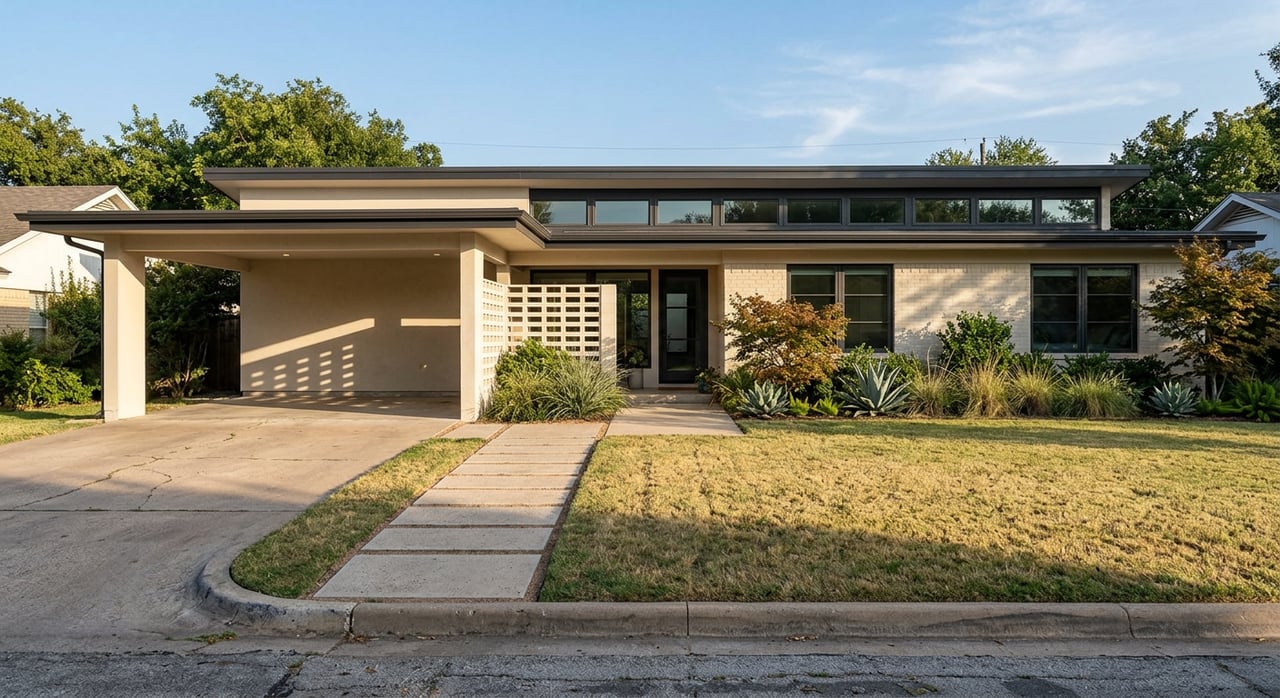
- Many 1930s to 1950s ranch and bungalow homes, especially in NPC.
- Pockets of mid-century modern and architect-designed houses.
City historic surveys identify North Central blocks as concentrations of prewar and postwar residential resources. To explore the area’s documented historic resources, review the city’s historic property surveys and preservation office hub.
Lot sizes and zoning basics
Parts of North Central are zoned under older single-family categories such as R1-10, which typically refers to a 10,000-square-foot lot standard in Phoenix planning documents. That helps explain why you often see wider yards, mature trees, and pools in this part of town. If you are evaluating a specific address, consult the city’s zoning code for parcel details and standards such as lot coverage and setbacks featured in the official Phoenix zoning documents.
Lifestyle anchors and walkability
A few signature places shape daily life here:
- Murphy Bridle Path along Central Avenue, a historic, tree-lined greenway that creates a shaded walking and jogging route. Learn more about its history in this North Central corridor overview.
- Steele Indian School Park, a major public park and event space at Central and Indian School that hosts festivals and offers wide-open lawns, paths, and city views. See park features on the City of Phoenix page.
- Cultural corridor further south on Central Avenue, with the Burton Barr Central Library and Phoenix Art Museum within a quick drive or ride.
- Melrose District on 7th Avenue, a popular, walkable strip with restaurants, shops, and design studios that many North Central residents frequent.
Together, these anchors give you a comfortable balance of neighborhood calm and city energy.
Getting around: light rail, bike, and freeway access
The Valley Metro Light Rail runs along Central Avenue with stations at key intersections like Camelback, Indian School, Thomas, and Encanto. Many homes in North Central are a short bike or rideshare away from a station. You can scan the full list of stations on the Valley Metro Rail stations page.
Driving is straightforward as well. You have quick access to Downtown and Midtown employment centers, with I-17, SR-51, and Loop connectors linking you to other parts of the Valley. Commute times vary by exact address and time of day, so plan to test your routes during your typical schedule.
Market snapshot: North Central vs Arcadia vs Scottsdale
Market data for North Central depends on which boundary you choose. Here is how recent snapshots compared by source and date:
- Redfin’s North Central Corridor page reported a median sale price of about $1,120,000 in December 2025. This corridor definition includes higher-value estate pockets.
- A ZIP-level look within the area, such as 85012, showed a much lower median around $459,000 and average days on market near 94 in a February 2026 snapshot. This reflects condos and smaller-lot homes mixed with single-family.
- For comparison, Redfin’s Arcadia neighborhood showed a median around $1,600,000 in December 2025.
- Zillow’s citywide index for Scottsdale reported a home value index near $838,494 as of January 31, 2026.
Takeaway: North Central is diverse. Condos and entry-level single-family homes can sit less than a mile from multi-million-dollar estates. When you compare areas, be sure you are matching similar boundaries and the same data month.
What buyers prioritize here
Move-up families and professionals often focus on:
- Proximity to the Central Avenue corridor, Melrose, and park space for everyday lifestyle.
- Lot size and options for a pool, addition, or casita.
- Commute patterns to Downtown, Midtown, and major freeways.
- Attendance boundaries and programs that fit their needs, verified directly with the district or school.
- Renovation potential and any overlay or historic review that may affect exterior work.
Renovation playbook for mid-century homes
Many North Central buyers purchase with a plan to improve. Common projects include kitchen and primary-bath updates, HVAC and electrical upgrades, pool additions or renovations, and thoughtful expansions that add a family room or suite. On larger lots, some owners pursue a detached guest space or studio, subject to zoning.
Typical ballpark budgets in this area are:
- Minor kitchen: about $25,000 to $60,000
- Midrange kitchen: about $60,000 to $150,000
- Bathroom: about $15,000 to $75,000
- Systems and whole-house mechanicals: varies by scope and age of home
For resale expectations, national Cost vs. Value data summarized by Phoenix remodelers still shows that minor to midrange kitchen and bath projects and exterior curb appeal upgrades tend to recoup a higher share of cost than full luxury overhauls. For a local summary of these patterns, see a Phoenix Cost vs. Value overview. Your actual return will depend on the specific block, buyer tastes, and how well the project fits the home’s scale.
Pro tip: Build a 6 to 12 month plan from purchase to completion if you need permits or expect supply and contractor lead times. If a property is in a historic district or along a sensitive streetscape, add time for approvals.
Zoning, overlays, and preservation rules
Parts of North Central fall under special plans that shape setbacks, massing, and exterior treatments. Before you draw plans, check:
- The city’s background on the North Central Avenue Special Planning District (SPD) for context on the corridor’s design goals in official planning documents.
- City maps for zoning overlays and regulatory plans, including transit-oriented overlays near light rail, available on the Phoenix planning maps page.
- The Historic Preservation Office for surveys and guidance before demolition or major exterior changes. Start with the city’s historic property surveys.
Local neighborhood groups are active and care deeply about trees and the Murphy Bridle Path experience. If your project is visible from Central Avenue or the path, plan extra outreach. You can get a feel for community priorities by scanning neighborhood updates, like the North Central Phoenix Homeowners Association zoning updates.
How to choose between North Central, Arcadia, and Scottsdale
Use these simple steps to compare apples to apples:
Define your boundary. Decide whether you are using a named neighborhood, a corridor, or a ZIP code. Keep it consistent for each area you compare.
Match home types. Compare single-family to single-family or condo to condo, since mixing product types can skew medians.
Focus on lifestyle trade-offs. North Central offers historic character and central walkability. Arcadia often commands a lot-size premium. Scottsdale varies widely by submarket, from family neighborhoods to luxury golf enclaves.
Test your commute and routine. Drive at your usual times. Try the light rail for a game or event. Walk from a listing to nearby coffee or park space.
Factor in renovation and approval pathways. If your plan includes an addition, casita, or exterior rework, verify overlays and talk to the city early.
Next steps
If the idea of historic streets, mid-century homes, and urban convenience fits your next chapter, North Park Central and the broader North Central corridor deserve a close look. From clarifying boundaries to mapping a renovation plan, you will benefit from local guidance and a data-informed approach.
When you are ready, connect with The Studebaker Group for a personalized consultation. Our team will help you compare North Central, Arcadia, and Scottsdale on true-to-life criteria, preview listings that match your goals, and outline the smartest path from offer to keys.
FAQs
What and where is North Park Central in Phoenix?
- North Park Central is a mid-century neighborhood within North Central Phoenix, developed around 1949 to 1952 with later boundary updates. The local association explains its history and boundaries on the NPC history page.
What types of homes are common in North Central Phoenix?
- You will find early estate lots, many 1930s to 1950s ranch and bungalow homes, and pockets of mid-century modern. City surveys detail the area’s historic residential resources on the Historic Preservation Office website.
How do North Central prices compare to Arcadia and Scottsdale?
- Recent snapshots showed a corridor-level North Central median near $1.12M, a ZIP-level median in the mid-$400Ks, Arcadia around $1.6M, and Scottsdale’s city index near $838K, all as of late 2025 to early 2026. Use the same boundary and month when comparing.
Is North Central walkable and close to transit?
- Yes. Many homes are near the Central Avenue corridor, the Murphy Bridle Path, and major parks like Steele Indian School Park. Light rail stations line Central Avenue, listed on the Valley Metro Rail stations page.
What should I know before renovating a mid-century ranch here?
- Budget for kitchens, baths, and system upgrades, and check overlays or historic review requirements before exterior work. Start with the city’s overlay maps and historic surveys.