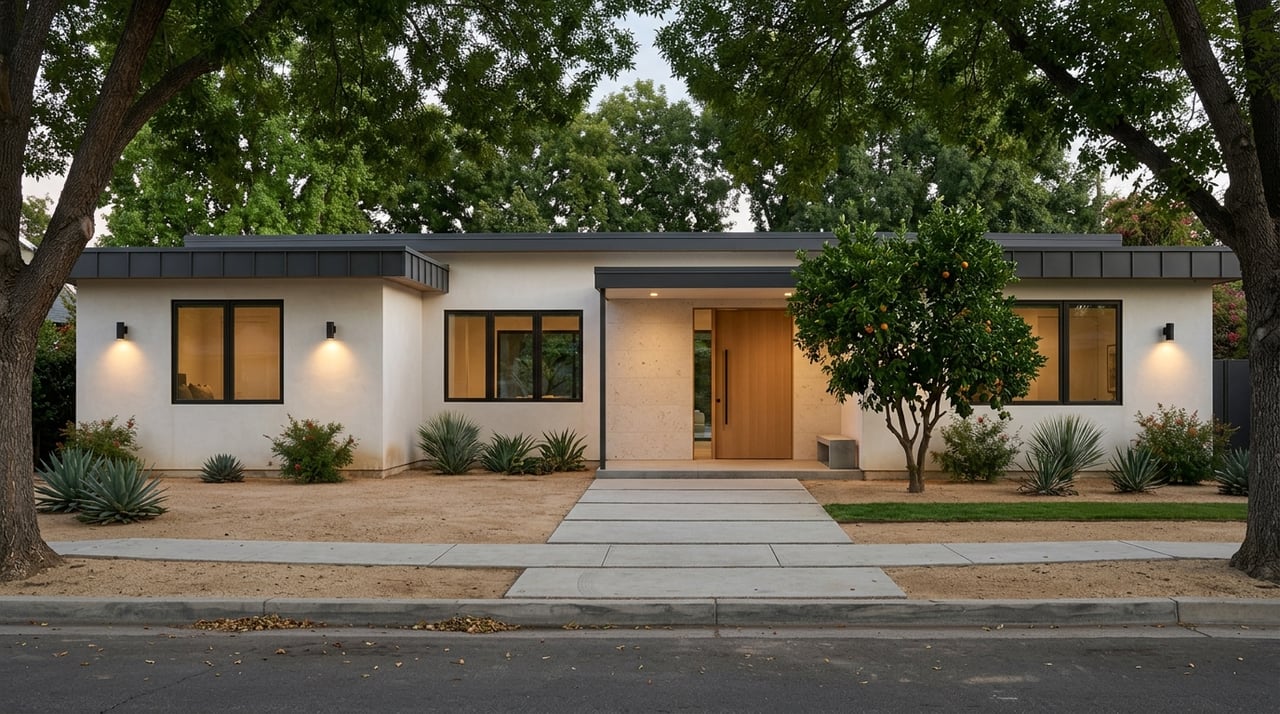
If you want a Phoenix neighborhood with more texture than a typical newer subdivision, North Park Central stands out right away. This part of central Phoenix blends mature shade, varied architecture, and easy access to dining and daily essentials in a way that feels established and connected. Whether you are exploring a move or simply narrowing down where in the Valley you want to live, understanding how North Park Central functions day to day can help you make a smarter decision. Let’s take a closer look.
What North Park Central Feels Like
North Park Central has an urban-but-residential character that sets it apart from many car-oriented areas of the Valley. The neighborhood association describes it as a diverse Central Phoenix community with easy access to Melrose and a midcentury-modern identity.
That identity is reinforced by North Central Avenue itself. City planning materials describe North Central Avenue as a tree-lined corridor and a major north-south route connecting downtown Phoenix and Sunnyslope, which helps explain why the area feels both central and livable.
Instead of a uniform tract-home layout, you get a neighborhood story shaped by older housing, mature landscaping, and a close-in location. It feels layered rather than master planned, which is a big part of the appeal for buyers who want character.
Architecture Has Real Personality
One of the biggest draws in North Park Central is the housing mix. The neighborhood’s own history says the area was developed between 1949 and 1952, with the first home sold in December 1950.
That timeline matters because it helps explain the neighborhood’s architectural range. City planning documents describe a mix of single-family homes along with some multi-family and condominium projects, rather than one single home style repeated block after block.
You will also see the effect of lot size and setbacks. The North Central Avenue special district emphasizes large lots, deep front setbacks, and a scenic corridor, with some setbacks reaching about 150 feet.
For buyers, that often translates into a streetscape that feels open and visually calm. Homes do not crowd the roadway, and the spacing between street and structure adds to the corridor’s distinctive look.
A Corridor Shaped by Preservation
North Park Central is not a blank-slate neighborhood where every property can be treated the same way. Phoenix planning and preservation materials make clear that this area includes properties with historic significance and a streetscape that the city has worked to preserve.
The Historic Preservation Office identified 55 properties in the North Central Avenue area as eligible for historic designation in earlier surveys. The city also lists the North Central Avenue Streetscape as a historic district within the Central Avenue right-of-way between Bethany Home Road and the Arizona Canal.
If you are considering a home with historic status, that can affect future exterior changes. Phoenix says designated properties are subject to review for exterior alterations and demolition requests, so it is important to understand how preservation rules may shape remodeling plans.
Trees and Streetscape Matter Here
In many Phoenix neighborhoods, landscaping is a bonus. In North Park Central, it is part of the identity.
City documents say the original olive trees along Central Avenue were planted around 1905 to 1910, and mature ash trees in the right-of-way now create the canopy that defines the corridor. That shade changes how the street feels, especially for walking, biking, or simply driving through.
This is one of the clearest reasons North Park Central leaves a strong impression. The street itself is part of the neighborhood experience, not just the route that gets you home.
Dining and Retail Are Part of Daily Life
North Park Central does not rely on a single shopping center for its lifestyle appeal. Instead, the area connects you to restaurants, retail, and local destinations spread along Central Avenue and nearby districts.
That pattern gives the neighborhood a more natural rhythm. You can mix daily errands with dinner plans, weekend browsing, or a casual stop nearby without feeling locked into one commercial pocket.
Melrose Adds Local Flavor
The nearby Melrose District is a major part of the area’s context. The City of Phoenix describes Melrose as a Seventh Avenue district between Indian School and Camelback with locally owned antique shops and boutiques that reflect the district’s midcentury architecture.
For residents of North Park Central, that means you are close to a district with a distinct local feel. It adds another layer of personality to everyday life beyond the residential streets themselves.
Park Central Connects Old and New
Another useful landmark is Park Central. The property says it opened in 1957 as Phoenix’s first large-scale shopping mall and has since evolved into a mixed-use campus with office, retail, restaurants, and light-rail access.
That history reflects a broader theme in this part of Phoenix. Older places are often reused and adapted, which helps preserve a sense of continuity while still supporting modern daily needs.
Notable Dining Along the Corridor
North Central dining includes both longtime institutions and more casual neighborhood options. A few recognizable examples include:
- Durant’s at 2611 North Central Avenue, a classic steakhouse dating to 1950 known for steaks, seafood, martinis, and special-occasion dining
- Federal Pizza at 5210 North Central Avenue, located in a restored 1950s First Federal Bank building designed by Al Beadle, serving wood-fired pizza, sandwiches, pastas, salads, wine, and beer
- Postino Central at 5144 North Central Avenue, offering a wine-bar and small-plates setting in historic Windsor Square
- The Windsor at 5223 North Central Avenue, known for a patio-focused brunch, cocktail, and comfort-food format
- The VIG North Central at 8729 North Central Avenue, adding another neighborhood dining option farther north along the corridor
Taken together, these spots help show why North Central appeals to buyers who value established local dining. The options feel woven into the corridor rather than dropped into a generic retail strip.
Getting Around Is Easier Than Many Buyers Expect
For many buyers, location is not just about style. It is about how easily you can move through the city during the workweek and on weekends.
North Park Central benefits from strong north-south connectivity. City planning documents note that the North Central ambience is enjoyed by daily commuters between Sunnyslope and downtown Phoenix, which is a simple way to understand the area’s mobility advantage.
Light Rail Supports Central Living
Valley Metro Rail is a 35-mile, 51-station system that runs 365 days a year. The B Line travels north-south from Metro Parkway to Baseline/Central Avenue, making Central Avenue a meaningful transit spine for this part of Phoenix.
Nearby corridor stations include Central Ave/Camelback, Campbell/Central Ave, Indian School/Central Ave, Osborn/Central Ave, Thomas/Central Ave, and McDowell/Central Ave. For residents who want options beyond driving, that is a meaningful part of the neighborhood’s appeal.
Valley Metro says weekday trains arrive every 12 minutes until 7 p.m. and every 20 minutes later in the evening. On Saturdays, trains arrive every 15 minutes until 7 p.m. and every 20 minutes later.
Driving Still Works Well Too
If you commute by car, the area still checks an important box. ADOT describes SR 51 as a vital artery designed to reduce congestion, and Phoenix planning materials note that completion of SR 51 reduced vehicle use on the North 32nd corridor in north central Phoenix.
In practical terms, North Park Central can work for buyers who want central-city character without giving up freeway access. That balance is part of what makes the neighborhood broadly appealing.
Weekend Routines Feel Built In
Some neighborhoods look good on paper but do not offer much rhythm once you live there. North Park Central has a few lifestyle anchors that make everyday routines feel easier to picture.
The strongest example is the Murphy Bridle Path. City documents describe it as a roughly 10-foot-wide, well-graded pedestrian and bicycle trail that runs from Bethany Home Road to the Arizona Canal and has been preserved for more than a century.
That is more than a scenic feature. It gives residents a built-in option for walking, biking, and enjoying the corridor’s tree canopy without planning a big outing.
You also have the broader Midtown and Melrose context nearby. A relaxed weekend can include a walk, browsing local retail, and meeting friends for lunch or dinner without traveling far from home.
What Buyers Often Want to Know
North Park Central tends to attract buyers who want more than square footage alone. They are often looking for a neighborhood with visible character, a strong sense of place, and day-to-day convenience.
If that sounds like you, here are a few practical takeaways:
- Home styles vary more than in a typical tract neighborhood
- Lot sizes and setbacks can create a more spacious streetscape
- Historic considerations may matter on some properties
- Dining and retail are spread across the corridor and nearby districts
- Transit and freeway access both support daily commuting
- Walking and biking are part of the area’s identity, especially near the Murphy Bridle Path
For buyers comparing North Park Central to newer Phoenix neighborhoods, the biggest difference may be the overall feel. The combination of old shade trees, preservation-sensitive streetscape, transit access, and long-established dining gives the area a layered character that can be hard to replicate.
If you are considering a move in central Phoenix, neighborhood fit matters just as much as the home itself. Having the right guidance can help you weigh architecture, commute patterns, property condition, and long-term value with more confidence.
If you are exploring North Park Central or comparing it with other Phoenix neighborhoods, The Studebaker Group can help you build a personalized plan around your goals.
FAQs
What is North Park Central like in Phoenix?
- North Park Central is a close-in central Phoenix neighborhood known for its tree-lined setting, older housing fabric, access to Melrose, and a mix of urban convenience with residential character.
What kinds of homes are in North Park Central?
- The area includes a mix of historic and custom homes, plus some multi-family and condominium properties, rather than one uniform tract-home style.
Is North Park Central walkable?
- Walking and biking are important parts of the area’s identity, especially along the Murphy Bridle Path and the shaded Central Avenue corridor.
Are there historic homes in North Park Central?
- Yes, the broader North Central Avenue area includes properties identified as eligible for historic designation, and designated properties may be subject to city review for exterior changes or demolition requests.
What restaurants are near North Park Central?
- Notable nearby dining options along the North Central corridor include Durant’s, Federal Pizza, Postino Central, The Windsor, and The VIG North Central.
Is North Park Central good for commuting in Phoenix?
- The neighborhood benefits from Central Avenue light-rail access and north-south driving connectivity, including access supported by the SR 51 corridor.