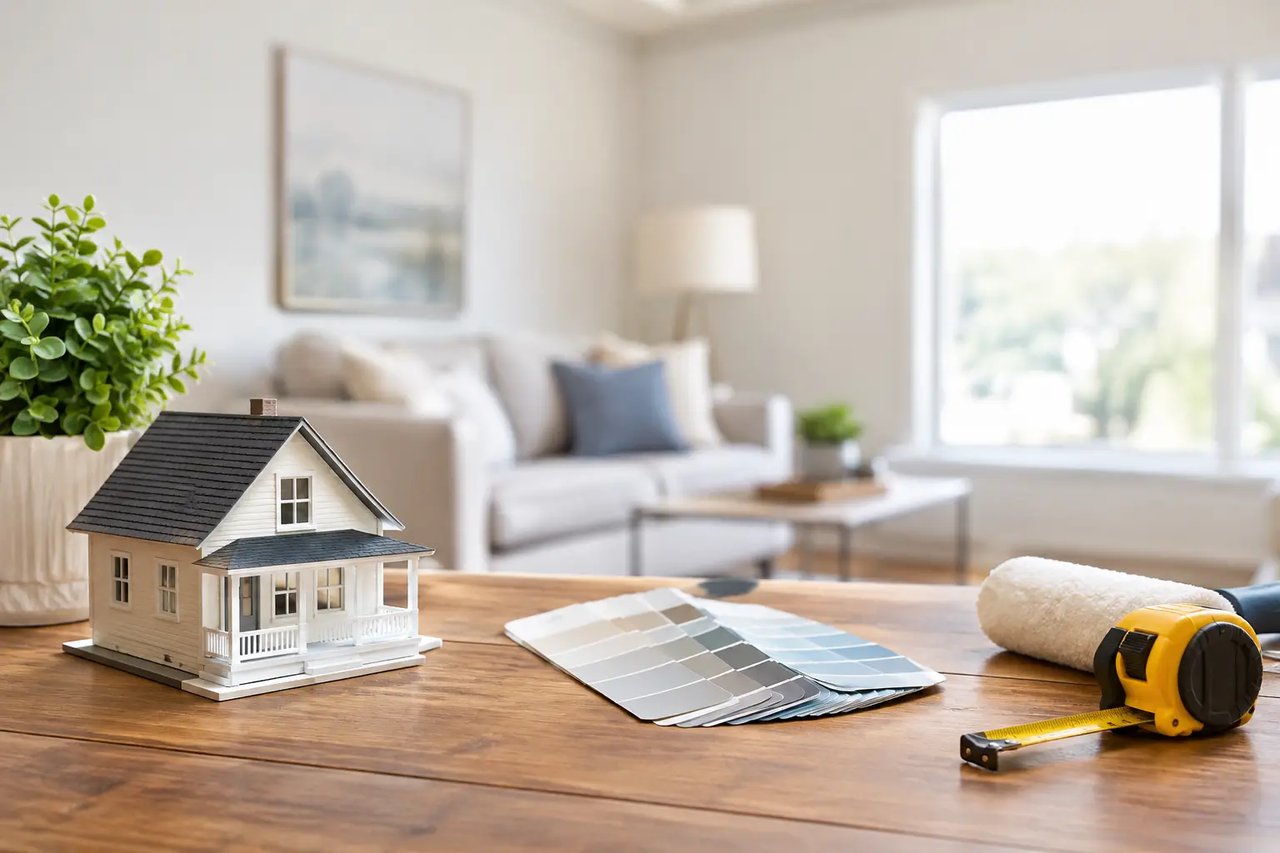
An appraisal visit can feel like a single, high-stakes moment, but the value assigned to your home is grounded in much more than the appraiser’s walk-through. Recent comparable sales, location, square footage, condition, and market demand all matter. Still, the best upgrades before home appraisal can help your property present as well-maintained, functional, and competitive - especially when they address visible condition issues buyers would notice, too.
For Scottsdale and greater Arizona homeowners, the goal is rarely to make every room brand-new. It is to spend strategically, avoid last-minute projects with a poor return, and help your home support the strongest credible value in its market segment.
Start With Repairs, Not Remodeling
Before considering cosmetic upgrades, take care of deferred maintenance. An appraiser is not conducting a home inspection, but obvious signs of neglect can affect how your home’s condition is viewed. Leaking plumbing, damaged drywall, broken windows, loose handrails, cracked tiles, nonfunctioning appliances, and visible roof concerns can all create an impression that the property needs more work than it actually does.
In Arizona, pay special attention to HVAC performance, roof condition, pool equipment, irrigation, exterior stucco, and signs of water intrusion. These systems and surfaces are especially relevant to our climate, and buyers often place real value on knowing they have been maintained.
Keep receipts, invoices, permits, and service records organized. A newer air-conditioning unit or recently serviced roof may not translate dollar-for-dollar into the appraised value, but documented upkeep gives context to the home’s condition and can help distinguish it from similar properties that need immediate attention.
The Best Upgrades Before Home Appraisal Focus on Condition
A full kitchen or primary-bath renovation can be worthwhile in the right circumstances, but it is not automatically the best move before an appraisal. If comparable homes nearby have similar finishes, a large renovation may not be fully supported by the market. Timing matters as well. Starting a major project shortly before an appraisal can leave a home looking unfinished, which creates the opposite of the intended effect.
The most practical updates tend to be straightforward improvements that make the entire property feel cared for and current.
Refresh paint and repair surfaces
Fresh, neutral interior paint is one of the clearest ways to improve a home’s presentation. Repair nail holes, scuffed baseboards, worn caulking, and minor drywall damage first. The objective is not to erase personality from the home. It is to make each room look clean, usable, and well maintained.
Outside, touch up peeling paint and address damaged trim, gates, or fascia. In desert communities, sun exposure can make exterior wear more apparent than homeowners realize.
Improve lighting and basic fixtures
Replace burned-out bulbs, clean light fixtures, and make sure every switch works. Dark rooms can feel smaller and less inviting, even if the square footage is unchanged. Simple fixture updates can help a dated room feel more intentional, particularly in bathrooms, entryways, and dining areas.
Avoid installing highly personalized finishes solely for an appraisal. A modest, cohesive update generally makes more sense than a costly design choice that may not match buyer preferences or neighborhood expectations.
Make kitchens and bathrooms feel maintained
Kitchens and bathrooms carry weight because they are expensive areas to renovate and closely watched by buyers. That does not mean you need to replace cabinets or tear out tile before an appraisal. Often, a deep cleaning, new hardware, repaired grout, refreshed caulk, updated faucets, and properly functioning ventilation make a meaningful difference.
If countertops are cracked, cabinet doors are damaged, or a vanity is visibly deteriorated, targeted replacement can be a sensible investment. The decision should be based on the home’s price range and the level of finish seen in recent nearby sales.
Strengthen curb appeal
The appraisal begins before anyone enters the front door. Trim overgrown landscaping, remove dead plants, sweep walkways, clean the entry, and ensure the house numbers and front door are in good condition. Desert landscaping should look intentional, not neglected. Refreshing gravel, pruning trees, and checking irrigation can make a substantial visual improvement without overcapitalizing.
For homes with pools, clean the water, remove debris, and confirm that visible equipment is orderly and functioning. A pool can be an attractive Arizona lifestyle feature, but an unmaintained pool area can raise questions about broader care of the property.
Spend Carefully on Major Systems
Replacing an aging roof, HVAC unit, water heater, or electrical panel can be necessary, particularly if the existing system is failing or poses a safety concern. These projects protect the transaction as much as they support value. A buyer’s inspection may uncover the same issue later, potentially leading to repair negotiations, a price reduction, or a delayed closing.
However, new mechanical systems rarely produce a matching increase in appraised value. Think of them as preserving marketability and preventing a condition penalty rather than as automatic profit centers. The same principle applies to solar. Owned solar, leased solar, utility savings, transfer terms, and local comparable sales all affect how much value an appraiser can reasonably support.
If you are considering a major improvement, discuss the plan with a local real estate professional before work begins. The right recommendation for a North Scottsdale luxury home may be very different from the right recommendation for a condo, townhome, investment property, or first move-up home elsewhere in the Valley.
Do Not Forget the Appraiser’s Information Packet
An appraiser cannot rely on a seller’s preferred price, but useful information can prevent relevant details from being missed. Prepare a concise packet that includes recent improvements with dates and costs, permits for material work, warranties, a list of features that may not be obvious, and any upgrades completed since the last sale.
Examples include insulated windows, smart-home systems, upgraded insulation, water-treatment equipment, EV charging, a remodeled garage, or professionally designed landscaping. If your home has a premium lot, mountain views, privacy, backing to open space, or a location within a sought-after community, provide clear factual information about those benefits as well.
Your real estate team can also share relevant comparable-sale context and make sure the appraiser has accurate property facts. This is not about pressuring the appraiser. It is about helping them evaluate the home with complete, well-organized information.
Know When to Stop Upgrading
The biggest pre-appraisal mistake is spending heavily because you assume every dollar invested will return a dollar in value. Appraisals are supported by evidence from the surrounding market, not simply by renovation receipts. If neighboring sales do not justify a dramatic jump in value, even beautiful work may have a limited appraised impact.
It also depends on the purpose of the appraisal. A homeowner preparing to sell may prioritize improvements that strengthen buyer appeal and reduce inspection objections. A homeowner refinancing may focus more narrowly on repairs and documentation. In either situation, clean, functional, maintained homes tend to be easier to support than homes with unfinished projects or visible deferred care.
A thoughtful plan starts with the property, the neighborhood, and your timeline. Before spending on upgrades, ask what buyers in your area expect, what comparable homes already offer, and which repairs could create problems later. That kind of preparation turns an appraisal from a stressful unknown into one more well-managed step toward your next move.